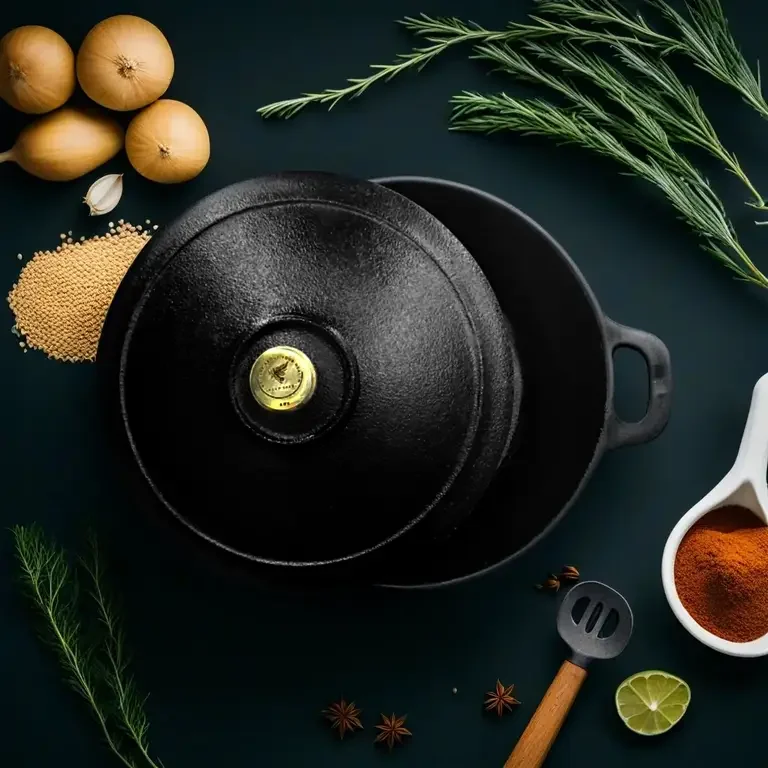
Boost Your Iron Naturally: The Benefits of Cooking with a Cast Iron Pan
Cooking isn’t just about flavor — for many of us, it can be a simple way to support our health too. One traditional kitchen tool that’s getting renewed attention from nutrition experts is the cast iron pan. Beyond its versatility in the kitchen, cast iron cookware offers a surprising nutritional advantage: it can increase the iron content of your food, making it especially useful for those with iron deficiency anemia or anyone trying to support healthy iron levels naturally.
Why Iron Matters — Especially for Anemia
Iron is essential for producing hemoglobin, the protein in red blood cells that carries oxygen throughout the body. When iron levels are low, symptoms like fatigue, pale skin, dizziness, and hair loss may occur — classic signs of iron deficiency anemia. While diet, supplements, and medical care are key, food preparation also plays a role in your total intake.
How Cast Iron Pans Increase Iron in Food
Cast iron cookware can release small amounts of iron into the food you prepare. This happens naturally when metal comes into contact with food, particularly with acidic and moist dishes that simmer or cook over longer periods.
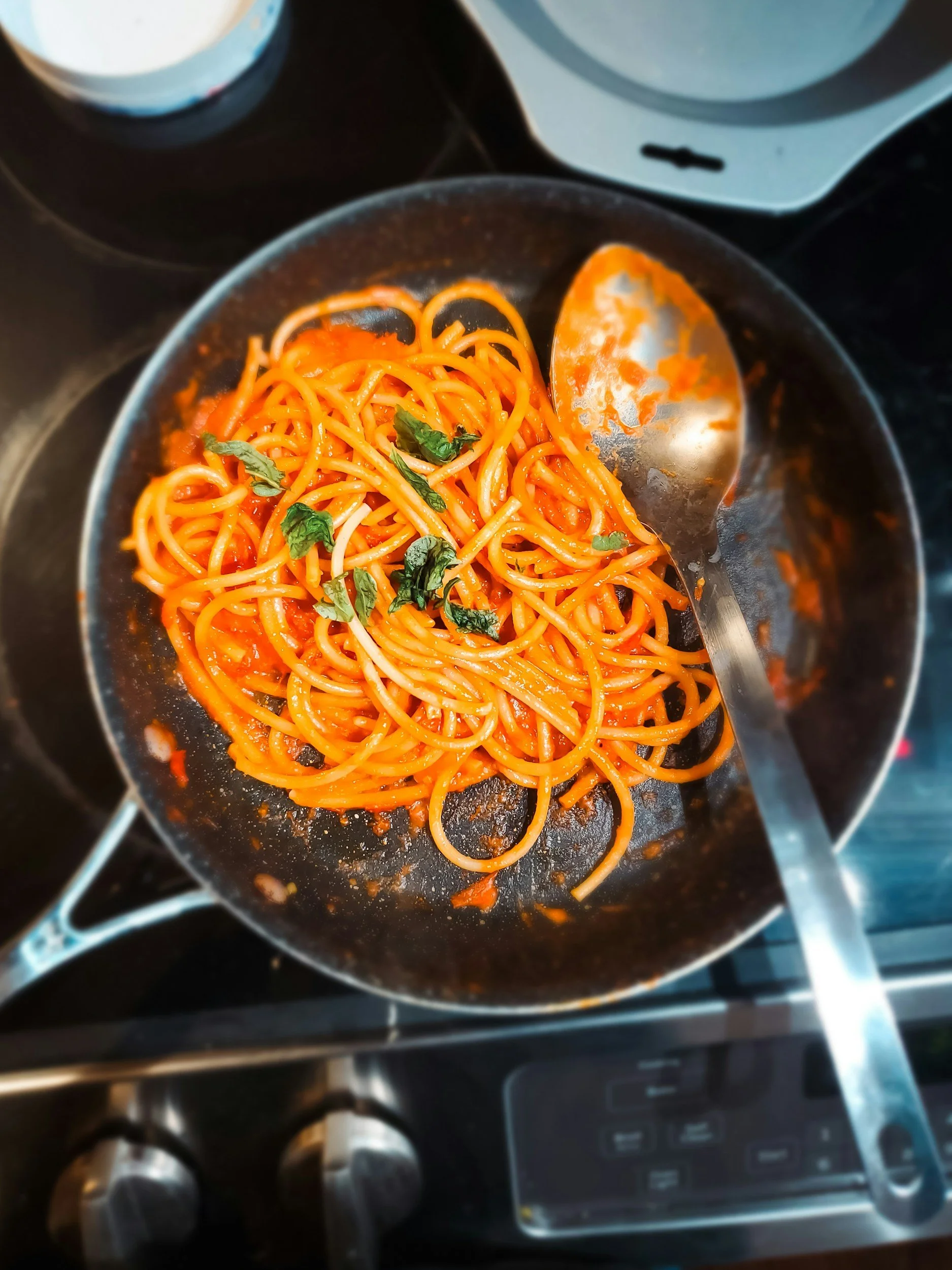
Iron leaching increases with acidity and cook time. Tomato-based sauces, soups, and stews that simmer for a long time tend to absorb more iron than quick-fried or dry-cooked foods — meaning dishes like marinara, bone broth, bean soups, and slow stews can become subtle sources of dietary iron. (blog.infs.com)
The amount added can be meaningful. Studies show foods like tomato sauce cooked in iron cookware can jump from very low baseline iron levels to several milligrams of additional iron per serving — in some cases increasing iron content by over five to ten-fold compared with cooking in non-iron pots. (Medical News)
Longer cooking = more iron. Moist, slow-simmered dishes made in cast iron, like soups or bone broth, have more time to absorb iron released from the pan. (pyroenergen.com)
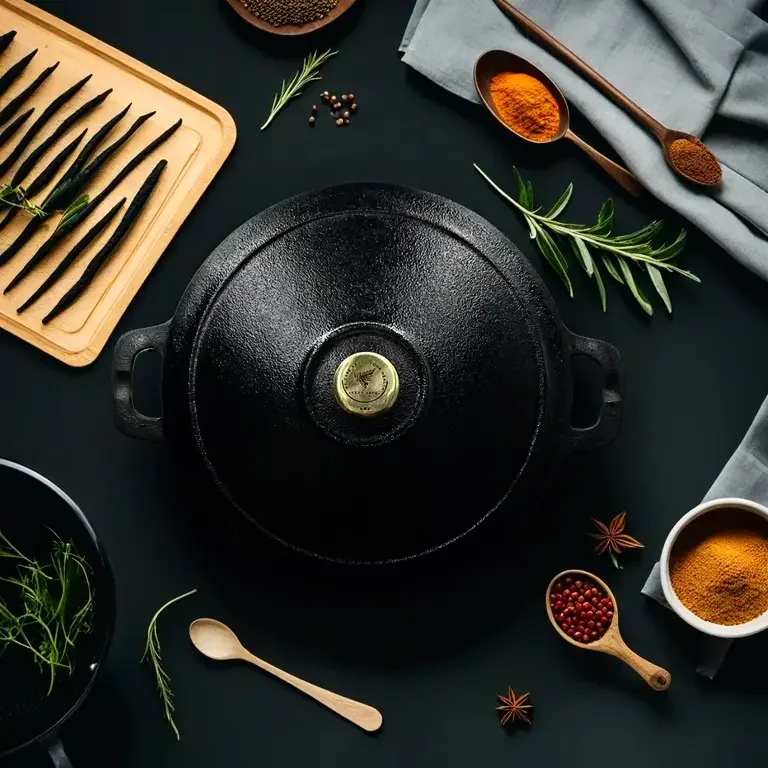
I recently added a cast iron pan from K & K, a local Egyptian brand, to my kitchen and it has quickly become a staple. What I love most is that it comes with a lifetime warranty, which speaks to the quality and craftsmanship behind it. The pan is seasoned seven times, meaning it is ready to use straight out of the box with a naturally non-stick surface and excellent heat retention. Supporting a local Egyptian brand while investing in something durable, practical, and genuinely good for everyday cooking makes it even more special.
Scientific Evidence on Iron and Cast Iron Cookware
There’s growing research into cast iron cookware as a low-cost intervention for iron deficiency:
A systematic review found that cooking in iron pots or using iron ingots increased the iron content of food and was associated with improved hemoglobin levels in some populations, suggesting this traditional method may contribute to reducing iron deficiency anemia. (PubMed)
Another review concluded that iron cookware could serve as a practical way to increase dietary iron, especially where deficiency is widespread, although further research is needed to confirm the degree of benefit in different groups. (PMC)
Experimental data show that acidic, moisture-rich foods cooked in iron cookware absorb significantly more iron than when prepared in non-iron vessels. (pyroenergen.com)
Importantly, the iron your body absorbs from cookware is non-heme iron, the same type found in plant foods. Its absorption is lower than the heme iron in meat, but when paired with vitamin C–rich ingredients (like tomatoes, citrus, or bell peppers), your body can absorb more of it. (Biology Insights)
Best Foods to Cook in Cast Iron for Iron Boosts
To make the most of cast iron’s nutritional benefit, focus on dishes that are:
Acidic: Tomato sauce, dishes with lemon or vinegar
Moist and slow-cooked: Bone broth, soups, stews
Rich in complementary nutrients: Add vitamin C–rich vegetables for better iron absorption
Here are some great choices:
Classic marinara or tomato sauce
Hearty bean soups and lentil stews
Bone broth simmered for hours
Slow-cooked vegetable ragouts
Braised greens with lemon or tomato
These dishes not only develop rich flavor over time but may also absorb more iron from your cookware — turning your cast iron pan into a small but natural source of dietary iron.
Tips for Safe and Effective Use
Season your cast iron well — a seasoned surface reduces excessive leaching while still letting small, beneficial amounts of iron transfer. (Livestrong)
Pair iron-rich foods with vitamin C to enhance absorption. (Biology Insights)
Rotate cookware types. Using cast iron a few times a week for long-simmering dishes can provide benefit without over-reliance.
Who should be cautious: People with conditions like hemochromatosis (iron overload) should avoid regular use of uncoated cast iron for nutrient purposes, as too much iron can be harmful. (Biology Insights)
Final Takeaway
Cooking with cast iron isn’t a replacement for medical advice or iron supplements, but it can be a simple, everyday strategy to boost your iron intake naturally — especially for those with increased needs or mild deficiency. The next time you’re simmering tomato sauce, stewing beans, or slowly reducing a bone broth, remember: your pan may be helping more than your palate.